How to Spot Fake, Refurbished or Old-Stock Tyres and Batteries
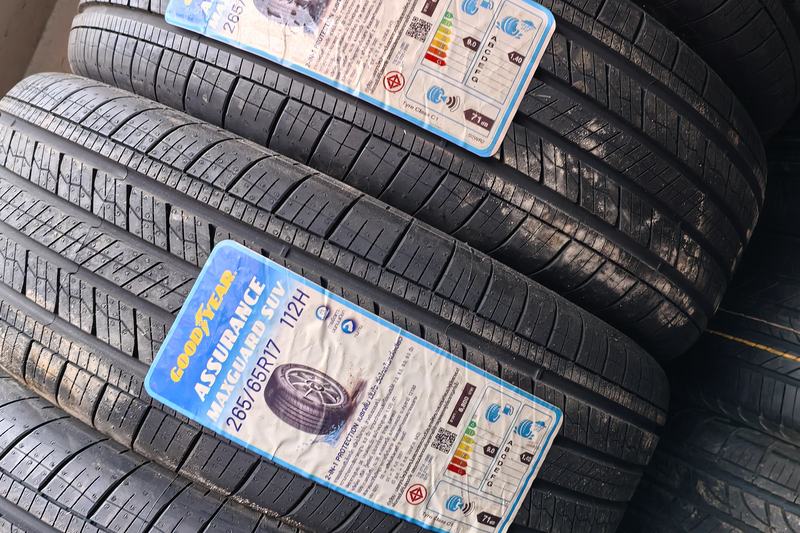
Tyres and batteries are safety-critical, so it pays to be careful about what you buy. Some products are counterfeit, some are old stock sold as new, and some are refurbished and described as new. You do not need special equipment to catch most problems. Look closely, ask questions and compare against the brand's official information.
Short version: buy from an authorised dealer, check the date code, compare markings with the manufacturer's website, be suspicious of prices far below normal, and get a receipt and warranty in writing.
Checking a tyre
1. Look for the date code
Every genuine tyre has a DOT code ending in four digits for the week and year it was made. A missing code is a serious warning sign. A code that shows the tyre is several years old means it is old stock. See how to check how old a tyre is.
2. Compare with the brand
Search the brand's official website for the model name and size. Check that the tread pattern and the markings match. Note the country of manufacture: many major brands make tyres in several countries, so that alone is not a red flag, but it should match what the brand lists.
3. Inspect the finish
Look for poorly printed lettering, misspelled words, inconsistent fonts and blurry labels. Check that the sticker on the tread is clean and that the barcode looks sharp.
4. Look for signs of a used or altered tyre
- Scuffs, scratches or worn edges on a tyre described as new
- Sidewalls that look freshly painted or glossy, which can hide cracks
- Tread that looks cut or re-grooved, with unnaturally deep grooves and thin rubber
- Patches or repairs inside the tyre
Checking a battery
1. Check the weight
A battery contains a lot of lead. If a battery is much lighter than others of the same size and rating, it may contain less active material, which usually means less capacity and a shorter life.
2. Read the label carefully
Look for spelling errors, poor printing, missing information or ratings that do not make sense for the size, such as a very high cold-cranking rating on a small case. Compare the model code with the brand's website. Our guide to battery size codes can help.
3. Look for a date
Ask where the manufacture date is. A battery that has sat on a shelf for a year or more may already be weak. See how to choose the right car battery.
4. Check the voltage
A new, fully charged battery should read around 12.6 volts or higher. A much lower reading suggests it has been sitting a long time or is faulty.
5. Check the case and terminals
Look for cracks, uneven seams, leaks and scratches on the terminals, which can show the battery has been used and cleaned up.
Buying smartly
- Use authorised dealers where possible, or ask the brand who its official distributors are.
- Be wary of prices far below the market. If a deal seems too good to be true, ask why.
- Get a receipt with the date, product name and size, and a written warranty.
- Ask if the item is new, used or refurbished, and get the answer in writing.
- Take your time. A seller who rushes you is a warning sign.
For more on choosing well, read our safety checklist for buying new or used tyres.
If you think you were sold a fake
Keep the product and the receipt, take photos, and contact the seller first. If they will not help, contact the brand's local representative. Do not fit the tyre or battery if you are unsure that it is genuine and safe.