Buying New or Used Tyres: A Safety Checklist
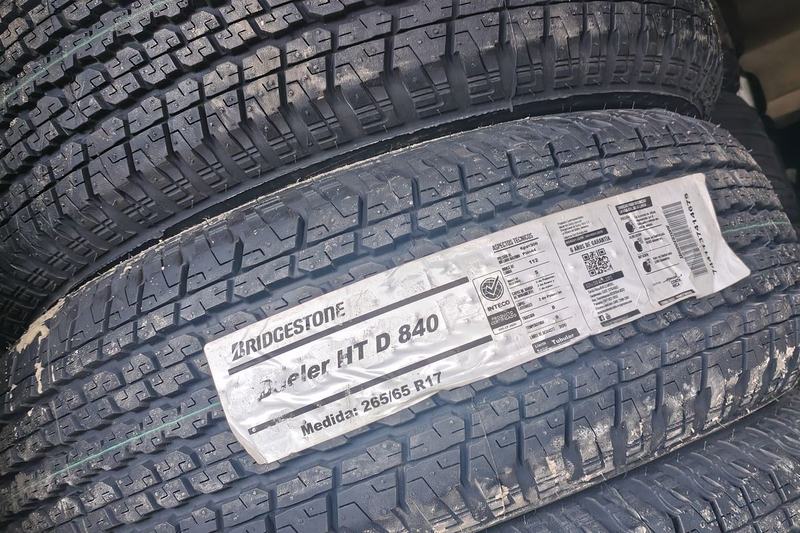
Tyres are a big expense, and it is tempting to save money with used ones. Some used tyres are perfectly fine, but others hide damage that only shows up at speed. Whether you buy new or used, a few minutes of checking can protect both your money and your safety.
Short version: check the size, the date code, the tread and both sidewalls. Avoid any tyre with bulges, deep cracks or sidewall repairs, and be careful with used tyres that are more than five or six years old.
Step 1: Confirm the right size
Look at the placard on your driver's door jamb or in the owner's manual, and match the width, aspect ratio, rim size, load index and speed rating. Do not rely only on what the old tyre says, since the previous owner may have fitted the wrong size. Our guide explains how to read those numbers.
Step 2: Check the date code
The four-digit DOT date code tells you the week and year of manufacture. A tyre sold as new should not be several years old. For used tyres, avoid anything much older than about five or six years, since the rubber hardens with age even if the tread looks deep. See how to check how old a tyre is.
Step 3: Measure the tread
For a used tyre, look for at least 5 mm of remaining tread if you want reasonable life from it. Check the depth across the width of the tyre, not just in one spot. Uneven depth can point to alignment or suspension problems in the car it came from.
Step 4: Inspect both sidewalls
Turn the tyre and look at both sides in good light. Reject the tyre if you see:
- Bulges, bubbles or lumps
- Deep cracks or cuts that reach the cord
- Signs the tyre has been run flat, such as creasing or a rough inner surface
- A repair patch or plug in the sidewall, which cannot be safely repaired
Step 5: Look inside the tyre if you can
If the tyre is off the rim, look at the inner surface. Patches are acceptable if they are professional repairs in the central tread area. Rust-coloured dust, cracks or damaged inner lining are warning signs.
Step 6: Buy matching tyres for the same axle
Two tyres on the same axle should be the same brand, model and similar wear. Mixed tyres can change how the car brakes and corners.
Buying new: what to ask
- Ask for the manufacture date and check it against the sidewall.
- Buy from a seller who can show you the brand's authorised supply route or gives you a proper receipt.
- Check that the model has the correct load index and speed rating for your car.
- Ask what is included in the price, such as fitting, balancing and new valves.
Is used ever the right choice?
A used tyre may make sense for a spare or for a short-term solution if it passes every check above. But for the tyres you rely on every day, especially at high speed, on long trips or with heavy loads, new tyres from a reliable source are the safer choice. The price gap looks big, but a used tyre with hidden damage or a short remaining life can cost more in the end.
After fitting, have the wheels balanced and check the pressures. Our guide on correct tyre pressure in hot weather covers this.