Correct Tyre Pressure in Hot Weather: What to Do and What to Avoid
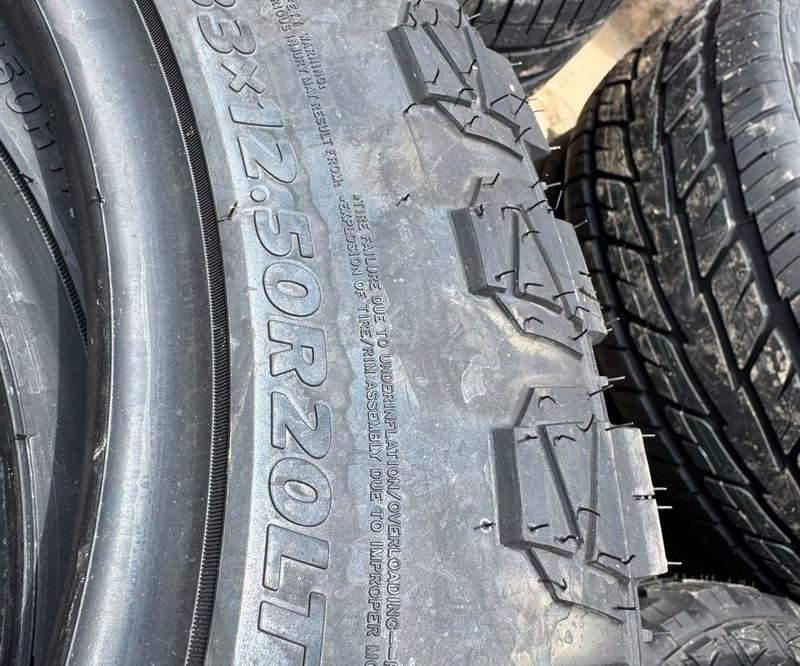
Tyre pressure is the cheapest and most effective thing you can do for tyre life, fuel use and safety. In hot climates it is also easy to get wrong, because heat changes the pressure inside the tyre while you drive.
Short version: measure pressure when the tyres are cold, set them to the figure on your car's placard, and never let air out of a hot tyre to bring it down to that number.
Find the right pressure for your car
The correct pressure is not printed on the tyre. The number moulded into the sidewall is the tyre's maximum, not the recommendation. Instead, look for the placard on the driver's door jamb, inside the fuel flap or in the owner's manual. It usually gives separate figures for the front and rear axles and sometimes for a heavier load.
Units
You will see pressure written in psi, bar or kPa. As a guide, 1 bar is about 14.5 psi, which is roughly 100 kPa. So 2.2 bar is about 32 psi or 220 kPa.
Why cold matters
Driving warms the air in your tyres, and warm air takes up more pressure. A reading taken after a long drive in the sun can be several psi higher than the true cold figure. "Cold" means the car has been parked for at least three hours or has driven less than about a couple of kilometres. In practice, the best time to check in a hot country is early in the morning before you set off.
As a rough rule, pressure changes by about 1 psi for every 10 degrees Fahrenheit (about 5 to 6 degrees Celsius) change in air temperature. That is why a tyre set on a cool morning reads higher by mid-afternoon.
What happens if pressure is wrong
Too low
- The sidewalls flex more, which builds up heat and can lead to tyre failure at speed.
- The outer edges of the tread wear faster.
- Fuel use goes up and steering feels heavy.
Too high
- The centre of the tread wears out first.
- The ride is harsher and the tyre has less grip, especially in the wet.
- The tyre is more easily damaged by potholes.
A simple routine
- Check all four tyres and the spare at least once a month, and before any long trip.
- Use your own gauge. Cheap digital gauges are inexpensive and usually accurate enough for home use.
- Check first thing in the morning while the tyres are cold.
- Add or release air until each tyre matches the placard.
- Refit the valve caps. They keep dirt and moisture out of the valve.
If you must check tyres that are hot
Sometimes you cannot wait, for example when you have already driven to a filling station. In that case, add air as needed but do not release air from a hot tyre. If a hot tyre reads a few psi above the cold figure, that is normal. If it reads below the cold figure, it is definitely under-inflated and needs air. Recheck when the tyres have cooled.
Heavy loads and rough roads
If you are carrying a full load of passengers or luggage, use the higher pressure figure on the placard if there is one. On rough roads, avoid running your tyres soft in the belief that it will soften the ride. Low pressure makes sidewall damage from potholes and sharp edges more likely.