How to Check How Old a Tyre Is (and When to Replace It)
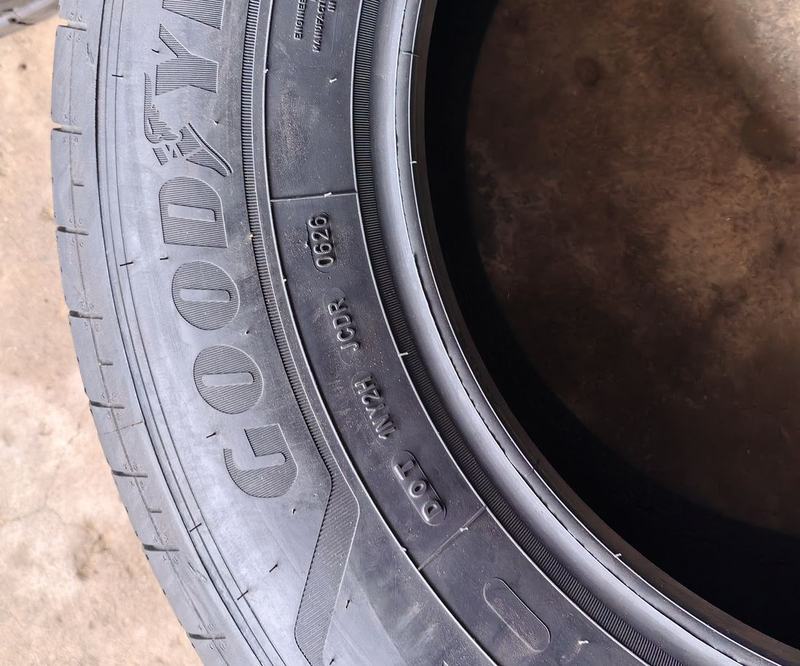
A tyre can look perfect and still be dangerous. Rubber hardens and cracks with age, and heat speeds up the process. That matters when you buy a tyre, because one that has sat in a warehouse for years is not the same as a freshly made one, even if it has never touched a road.
Short version: find the four-digit date code on the sidewall. The first two digits are the week of manufacture and the last two are the year. So 3122 means week 31 of 2022.
Finding the date code
Look on the sidewall for the letters DOT, followed by a string of letters and numbers. The last four digits of that string are the date. On many tyres the full DOT code appears on only one side, so if you cannot see it, check the inner sidewall too. If you are looking at a tyre on a car, you may need to turn the steering wheel to expose the other side or use a torch.
Examples
| Last four digits | Meaning |
|---|---|
| 0524 | Week 5 of 2024, so late January or early February 2024 |
| 2625 | Week 26 of 2025, so late June 2025 |
| 4119 | Week 41 of 2019, so early October 2019 |
Tyres made before 2000 used a three-digit code. If you see one of those, the tyre is far too old to use.
How old is too old?
There is no single legal cut-off in most countries, but tyre and vehicle manufacturers generally give similar guidance:
- Have tyres inspected by a professional once they pass about five years old, and then every year.
- Many manufacturers recommend replacing tyres no later than ten years after the date of manufacture, even if the tread still looks deep.
- Hot climates, strong sunlight and poor storage can shorten a tyre's life, so in tropical conditions it is safer to replace nearer the shorter end of that range.
Always check your car maker's advice in the owner's manual as well.
Signs of ageing that you can see
- Fine cracks in the sidewall or between the tread blocks.
- Bulges or bumps on the sidewall, which mean the internal structure is damaged. Replace the tyre immediately.
- Hardened, shiny or dull grey rubber that no longer feels slightly flexible.
- Vibration at normal speeds that was not there before.
Checking the age when you buy
Even when a tyre is sold as new, check the date yourself before you pay. A tyre that is one or two years old is normally fine if it has been stored well, indoors and out of direct sun. Be cautious about anything older than about three years sold as new, and do not be afraid to ask the seller for a fresher one. A reputable dealer will let you look.
Do not forget the spare
Spare tyres are easy to overlook. They sit in the boot or under the car for years, often in the heat. Check the date code and the pressure on your spare at least twice a year. A spare that is ten years old and flat is no help at the roadside.