How to Choose Tyres for an SUV or Pickup
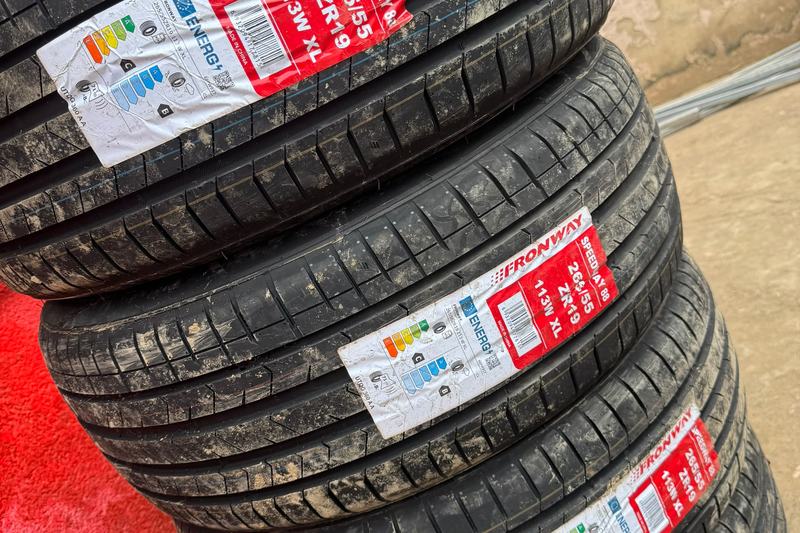
SUVs and pickups are heavier than cars, and they are often used with passengers, luggage or loads. That makes tyre choice more important. A tyre that is too light for the job can overheat or fail, while one that is too stiff can make the ride harsh and wear out faster.
Short version: start with the size, load index and speed rating on your vehicle's placard, then choose the tyre type that suits the roads you drive. If you carry heavy loads or tow, consider a light-truck (LT) tyre with a higher load rating.
Step 1: find the correct size
Look at the placard on the driver's door jamb or in the owner's manual. It lists the size your vehicle was designed for, for example 265/65 R17. Our guide to reading the tyre sidewall explains each part.
Some larger tyres use a different style of sizing, such as 33x12.50R20. The first number is the overall height in inches, the second is the width in inches, and the last is the wheel diameter. The letters LT at the end mean light truck.
Step 2: match the load index
The load index shows how much weight each tyre can carry. Never go below the load index on the placard. If you regularly carry heavy loads, a higher index gives more margin. Pickups and vans often need tyres with higher load ratings than a regular family SUV.
Step 3: passenger tyre or LT tyre?
| Passenger / SUV tyre | Light-truck (LT) tyre | |
|---|---|---|
| Best for | Family SUVs, mostly road driving | Pickups, heavy loads, towing, rough work |
| Ride | Smoother, quieter | Firmer, sometimes noisier |
| Load capacity | Standard | Higher, often with stronger construction |
| Pressure | Usually lower | Often higher, especially when loaded |
Do not fit an LT tyre simply because it looks tougher. If your vehicle is a lightly loaded family SUV, a passenger tyre gives a better ride and lasts well.
Step 4: pick the tread type
Highway-terrain tyres suit tarred roads, while all-terrain tyres suit mixed surfaces. Our guide to all-terrain vs highway tyres compares the two.
Step 5: check the speed rating
Choose a speed rating at least equal to the one on the placard. Higher-rated tyres often have stiffer construction and can be more expensive.
Be careful with oversized tyres
Larger wheels and tyres look good, but they can cause problems:
- They can rub against the wheel arches or suspension when you turn or hit a bump.
- They change the speedometer reading and can affect braking and stability systems.
- They are heavier and can strain the suspension and brakes.
- They may invalidate warranties or insurance if they do not comply with the maker's specification.
If you want a different size, ask a reputable tyre shop to confirm what will fit safely.
Step 6: buy carefully
- Check the date code. See how to check how old a tyre is.
- Buy all four together, or at least both on one axle.
- Avoid suspicious deals. Read how to spot fake, refurbished or old-stock tyres and batteries.
- Fit and balance them properly, then check the pressures.
Looking after them
Heavy vehicles wear tyres quickly, so keep the pressure right, rotate regularly and check alignment. Our guide on how long car tyres last explains how to get more mileage from them.