How Long Do Car Tyres Last? What Really Affects Tyre Life
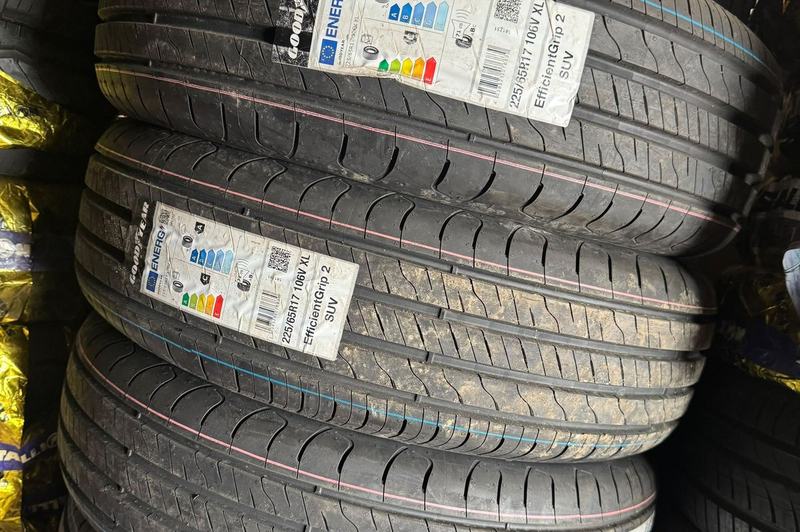
There is no single answer to how long tyres last. A set might wear out in 30,000 km on a rough road, or last more than 60,000 km when driven gently on smooth surfaces. Age matters as well as distance, and both are affected by how you look after them.
Short version: most tyres last between about 40,000 and 80,000 km, or roughly five to ten years, whichever comes first. Correct pressure, good alignment and regular rotation are the biggest things you can control.
Two limits: distance and age
Tread depth wears with distance. But rubber also hardens with age, even when the car barely moves. Many tyre makers advise having tyres checked once they are five years old and replacing them by about ten years from the manufacture date. See how to check how old a tyre is.
What makes tyres wear faster
- Wrong pressure. Low pressure wears the outer edges, high pressure wears the centre. See correct tyre pressure in hot weather.
- Poor alignment. Wheels that are pointing slightly out can scrub a tyre away quickly.
- Aggressive driving. Hard acceleration, heavy braking and fast cornering all remove rubber.
- Heavy loads. Carrying more weight than the car is designed for increases wear and heat.
- Rough roads and potholes. They damage tyres directly and knock the suspension out of line.
- High temperatures. Hot roads speed up wear and ageing.
- Worn suspension parts, which allow the wheel to bounce and wear unevenly.
What makes tyres last longer
- Check pressures monthly when the tyres are cold.
- Rotate the tyres at the interval in your manual. See tyre rotation, balancing and wheel alignment.
- Get the alignment checked after hitting a pothole hard or if the car pulls to one side.
- Drive smoothly. Brake early and avoid spinning the wheels.
- Do not overload the car.
- Avoid kerbs and potholes where you can, and slow down on rough surfaces.
- Keep tyres out of harsh sun when parked, if possible. Tyre covers can help on cars that sit for long periods.
Signs it is time to replace them
Do not just wait for a fixed number of kilometres. Check the tread against the wear indicators, look for cracks and bulges, and watch for vibration or longer stopping distances. Our guide on signs you need new tyres lists the checks.
Is a cheaper tyre a better deal?
Not necessarily. Compare the cost per kilometre, not just the price. A tyre that costs more but lasts much longer, grips better in the wet and uses less fuel can be cheaper over its life. Look for reviews and independent tests, and check the treadwear rating where the tyre has one. When buying, see our safety checklist for buying new or used tyres.