All-Terrain vs Highway Tyres: Which Is Right for Rough Roads?
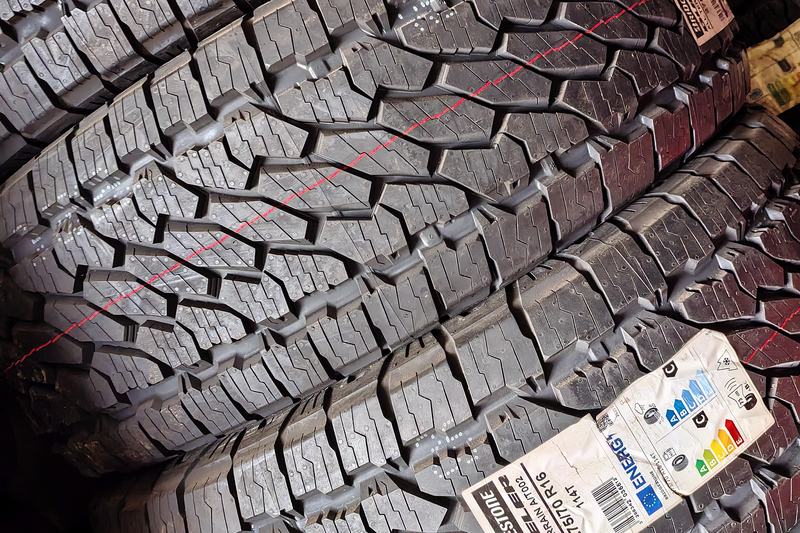
If you drive an SUV or pickup, you will often be offered two kinds of tyre: highway-terrain (H/T) and all-terrain (A/T). They can look similar in a shop, but they behave differently on tar, gravel and mud. Choosing the wrong one can mean a noisy ride, a shorter tyre life or poor grip when you need it.
Short version: choose highway tyres if you drive mostly on tarred roads, and all-terrain tyres if you regularly use gravel, dirt or badly broken roads. Whatever you pick, match the size, load index and speed rating your vehicle needs.
Highway-terrain (H/T) tyres
These have a tighter tread pattern with narrower grooves. They are designed for comfort and long life on paved roads.
- Quieter and smoother at speed
- Usually longer-lasting on tar, since more rubber touches the road
- Better fuel economy because they roll more easily
- Good grip on wet tar in most designs
- Less grip on loose surfaces, such as deep gravel, sand and mud
All-terrain (A/T) tyres
These have bigger tread blocks with wider gaps between them, and often stronger sidewalls. The gaps bite into loose surfaces and clear mud and stones as the tyre turns.
- Better grip on gravel, dirt and mud
- Tougher sidewalls, which resist cuts and pinches on rough roads
- More road noise on tar, and sometimes a firmer ride
- Often wear faster on tarred roads and use slightly more fuel
- Grip on wet tar can be lower than a good highway tyre, depending on the model
What about mud-terrain tyres?
Mud-terrain (M/T) tyres go further, with very large blocks and wide gaps. They are meant for serious off-road use. On tar they are loud, wear quickly and can be less safe in the wet, so most everyday drivers do not need them.
A simple way to choose
| Where you drive | Good choice |
|---|---|
| Almost all tarred roads, city and highway | Highway-terrain |
| Mostly tar with regular gravel or dirt roads | Light all-terrain or a mild A/T pattern |
| Frequent unpaved, rough or muddy tracks | All-terrain |
| Serious off-road, deep mud | Mud-terrain (with a road-comfort trade-off) |
Things to check whichever you buy
- Size: match the size on your placard. Fitting much larger tyres can rub the bodywork and make the speedometer read wrong. See how to read the tyre sidewall.
- Load index: it must be at least what the manufacturer specifies, especially if you carry heavy loads.
- Date code: avoid old stock. See how to check how old a tyre is.
- Fit four the same: mixing types on one vehicle changes how it grips and brakes.
Pressure and care on rough roads
Keep to the pressure on your vehicle's placard. Do not run soft tyres to soften the ride, because low pressure makes sidewall cuts and blowouts more likely. Check your tyres for cuts and stone damage after rough drives, and rotate them regularly. Our guide to tyre rotation, balancing and alignment explains how.