DVLA Roadworthy Test in Ghana: Tyre and Battery Checks Before You Go
Every vehicle in Ghana must pass a DVLA roadworthiness inspection at a testing station before it can be used on a public road, and the certificate has to be renewed when it expires. Many cars fail, or only just pass, because of problems with tyres, lights and the battery that the owner could have fixed in a few minutes. This guide explains how the test works and the tyre and battery checks to do before you go.
Short version: take the car to a DVLA-designated testing station with your vehicle registration certificate. Before you go, check that all four tyres and the spare have good tread with no bumps or cracks, that the pressure is correct, and that the battery starts the car easily and powers the lights and horn. You can renew from one month before your certificate expires.
How the roadworthy test works
- Where: DVLA uses designated Private Vehicle Testing Stations (PVTS). Only use an approved station, and never pay anyone for a roadworthy sticker without a real test. A fake sticker gives you no protection if you are stopped or have an accident.
- What to bring: the vehicle itself, your Vehicle Registration Certificate and your other vehicle documents. You also pay the road use fee.
- When: DVLA allows you to renew from one month before the expiry date. Renewing late can attract extra charges. Commercial vehicles are tested more often than private cars.
- What they check: examiners look at the brakes, steering, suspension, tyres, lights, windscreen, mirrors, horn, exhaust emissions, seat belts and the condition of the body and chassis.
Fees and rules can change, so confirm the current details with DVLA or your testing station before you go. DVLA's call centre is 030 276 2449.
Tyre checks before your test
Tyres are one of the easiest things for an examiner to see, and one of the easiest for you to check at home.
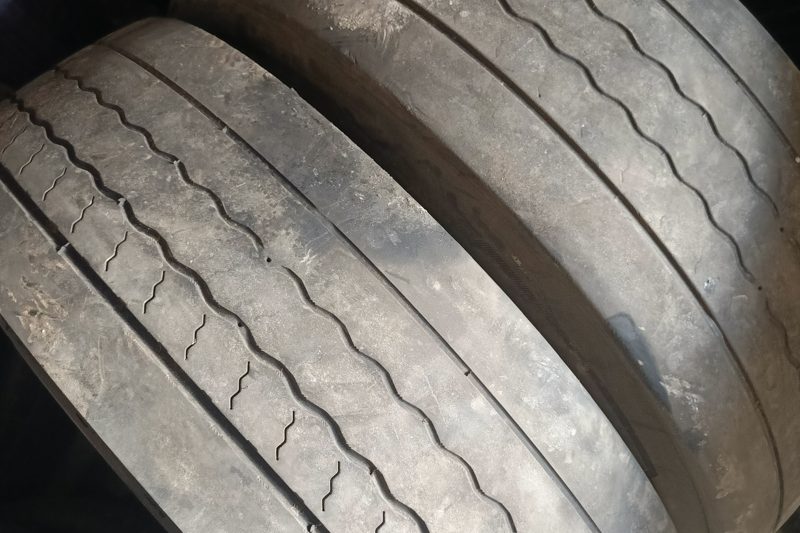
- Tread depth. Look across the whole width of every tyre. Smooth or unevenly worn tyres grip badly, especially in the rain. Plan to replace a tyre at about 3 mm, and never let it get near 1.6 mm. See how to measure tyre tread depth or use our tread depth checker.
- Bumps, cracks and cuts. A bulge on the side of a tyre means the inside is damaged, and the tyre can burst. At our shop, side bumps, cracks and worn centres are the problems I see most, and over-inflation is usually the cause. See signs you need new tyres.
- Uneven wear. One edge worn more than the other usually points to alignment or suspension trouble, which the examiner may also notice. See why does my car pull to one side.
- Correct pressure. Use the figure on the sticker in the driver's door or in the manual, not the maximum printed on the tyre. Check it in the morning before driving. See correct tyre pressure in hot weather.
- Matching tyres. Tyres on the same axle should be the same size and type. See replace two tyres or all four.
- The spare. Make sure the spare is in the car, holds air and is in usable condition, and that the jack and wheel spanner are there.
- Tyre age. Old tyres crack even when the tread looks fine. Check the four-digit date code with our tyre date code decoder.
Battery checks before your test
The battery is not a separate item on the examiner's list, but the lights, indicators, horn and wipers all depend on it, and a car that will not start at the station cannot be tested.
- Does it start easily? A slow, struggling start is a warning sign. See signs your car battery is failing.
- Test the voltage. With the engine off, a healthy battery reads about 12.6 volts. With the engine running, the charging system should show about 13.7 to 14.7 volts. See how to test a car battery.
- Clean, tight terminals. White or blue crust causes poor contact and dim lights. See how to clean battery terminal corrosion safely.
- Secure and not leaking. The battery should be held down firmly by its clamp, with no cracks, swelling or leaks.
Quick checks for everything else
- All lights work: headlights (high and low), brake lights, indicators, reverse and number plate lights.
- The horn works.
- The windscreen has no big cracks in the driver's view, and the wipers clear it properly.
- Both side mirrors and the rear-view mirror are in place and not broken.
- All seat belts click in and pull out properly.
- No heavy smoke from the exhaust.
Frequently asked questions
Can I fail the roadworthy test because of my tyres?
Yes. Tyres are part of the inspection. Badly worn, damaged or bulging tyres are a safety risk and can lead to a fail. Fixing them before the test saves you a second trip.
Do I need new tyres before every test?
No. You only need tyres in good, safe condition. If the tread is healthy, there are no bumps or cracks and the tyres are not too old, they are fine.
When can I renew my roadworthy certificate?
DVLA allows renewal from one month before the expiry date. Do it early so you are not caught driving with an expired certificate.