Tyres for Ghana Roads: Heat, Potholes and Dust
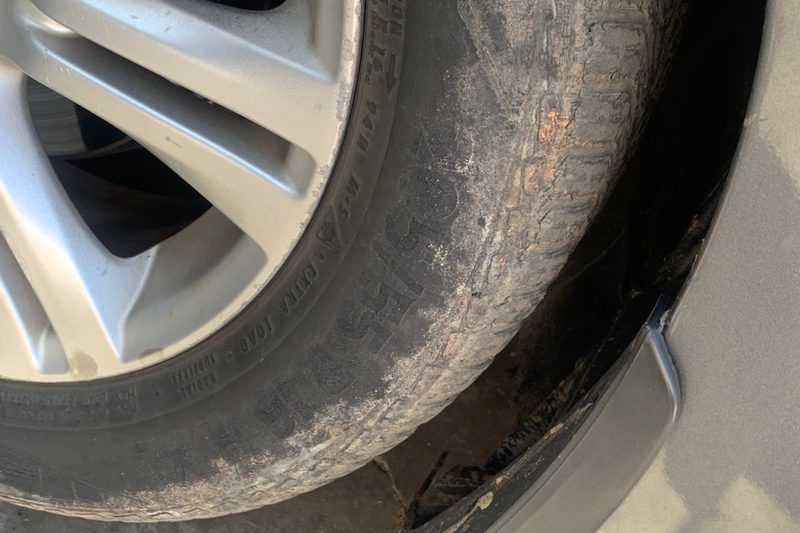
Ghana is hard on tyres. Hot roads, potholes, dust and untarred stretches all wear tyres faster than the conditions most tyre makers test in. From what I see at our shop in Abossey Okai, a good tyre usually lasts about 24 months here with normal daily driving, but many drivers lose a tyre much sooner because of a few avoidable mistakes. This guide explains what our roads do to tyres and how to choose and look after tyres so they last.
Short version: keep the pressure at the figure on your door sticker and check it in the morning, slow down for potholes, choose a tyre with enough sidewall for the roads you use, and rotate your tyres regularly. Over-inflation is the most common mistake I see.
Heat: why pressure matters more here
Hot roads make tyres hotter, and air pressure rises as a tyre heats up. Many vulcanisers and drivers then add even more air, and I often see tyres pumped 15 to 20 psi above the recommended pressure. An over-inflated tyre has a smaller contact patch, wears out in the centre and is more easily damaged by potholes.
- Use the pressure on the sticker in the driver's door or in the manual, not the maximum printed on the tyre.
- Check pressure in the morning, before driving.
- Never let air out of a hot tyre to bring the reading down.
- Tell your vulcaniser the correct psi before they start.
More detail in correct tyre pressure in hot weather, and you can convert units with our tyre pressure converter.
Potholes: protect the sidewall
A hard hit on a pothole can crush the tyre against the rim and break the cords inside. The result is a side bump, a bulge that can burst later. Side bumps are one of the most common problems customers bring to us.
- Slow down before a pothole and avoid braking hard while you are in it.
- Think twice about low-profile tyres. Sizes ending in 45 or 40, such as 225/45R17 or 235/40R19, look sporty but have less rubber to absorb impacts. If you drive mostly on rough roads, a tyre with more sidewall is more forgiving. Never change size without checking it first, as explained in popular tyre sizes in Ghana.
- Check after a hard hit. Look for bulges and listen for new vibration. If the steering wheel shakes at higher speed after an impact, have the wheel balance and alignment checked. See tyre rotation, balancing and wheel alignment.
Dust and untarred roads: choose the right type
If you often drive on gravel or laterite roads, or out to farms and building sites, a highway tyre may wear and cut quickly. An all-terrain tyre has a tougher tread and stronger construction for mixed roads, while a highway tyre is quieter and smoother on tarred roads. See all-terrain vs highway tyres and how to choose tyres for an SUV or pickup.
Sun and age: cracks you can't ignore
Strong sun slowly dries out rubber. Small cracks on the sidewall or between tread blocks are a sign of age, even if the tread still looks deep. Park in the shade when you can, and check the date code on any tyre you buy so you are not paying for old stock. Use our tyre date code decoder.
Heavy loads
Overloaded cars, pickups and vans heat their tyres more and wear them faster. Choose tyres with the correct load index for your vehicle and do not overload it. Pickups carrying goods need tyres made for the weight; see how to choose pickup tyres.
What we see at the shop
The tyres that come back to us early usually show one of these:
- Worn centre: too much air.
- Side bumps: pothole impacts, often made worse by over-inflation.
- Cracks: age, sun and over-inflation.
- One edge worn: alignment or suspension problems.
- Steering shake at high speed: wheel balance, or a damaged tyre.
Almost all of these come from pressure and maintenance, not from the brand of tyre. A cheaper tyre looked after well often outlasts a premium tyre that is neglected. To compare brands, read Bridgestone, Michelin, Hankook and Otani tyres in Ghana.
A simple routine that makes tyres last
- Check pressure every two weeks, in the morning.
- Look at all four tyres and the spare for bumps, cracks and nails once a week.
- Rotate your tyres every 8,000 to 10,000 km.
- Check alignment if the car pulls or the tyres wear on one edge.
- Replace tyres at about 3 mm of tread. See how long do car tyres last.