Tubeless vs Tube-Type Tyres: What Is the Difference?
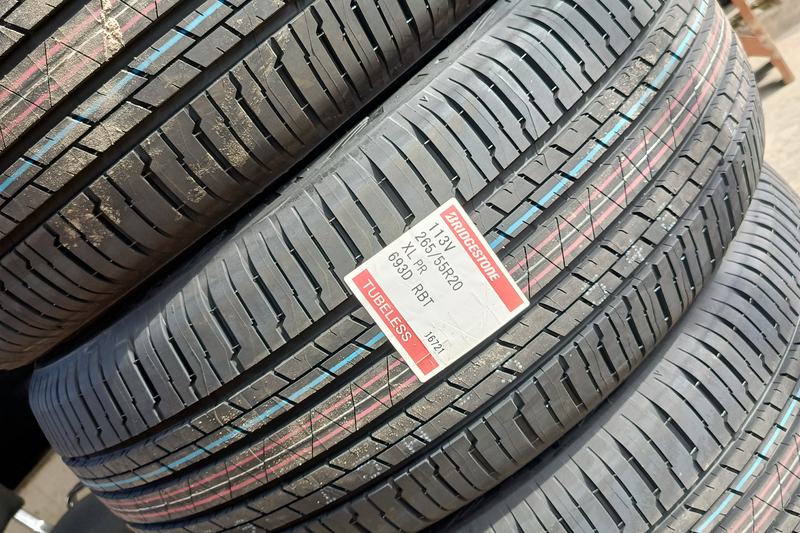
Most modern car tyres are tubeless, but tube-type tyres are still common on some trucks, older vehicles, bicycles and motorcycles. They look similar from outside, but they hold air in different ways. Knowing which you have matters when you repair a puncture or buy a replacement.
Short version: a tubeless tyre holds air by sealing against the rim, and a tube-type tyre holds air in a separate inner tube. Check the sidewall for the word TUBELESS (or TL), and never fit a tube-type tyre without its tube.
How tubeless tyres work
A tubeless tyre has an airtight inner liner, and its edges, called beads, press tightly against the rim to form a seal. The air sits directly inside the tyre, and a valve fixed to the rim lets you inflate it.
- Slower air loss after a puncture. A nail often plugs its own hole, so the tyre loses air slowly.
- Easier to repair. Many punctures in the central tread can be fixed. See can a punctured tyre be repaired?
- Lighter and cooler running, because there is no tube rubbing inside.
- Needs a good rim. A bent or corroded rim can leak at the bead.
How tube-type tyres work
A tube-type tyre holds a separate rubber inner tube that contains the air. The tyre itself is just a protective casing, and the valve is part of the tube.
- Works on rims that cannot seal, such as spoked wheels.
- Simple roadside repair, since you can patch or replace the tube.
- Faster air loss in a puncture, because the tube can split.
- Tube pinching. A badly fitted tube can get trapped and burst.
How to tell which you have
- Look on the sidewall for the word TUBELESS or the letters TL. Tube-type tyres may be marked TUBE TYPE or TT.
- Check the valve. A rubber valve that is clamped into a hole in the rim, or a metal valve held by a nut, points to tubeless. A valve that comes straight out of an inner tube is tube-type.
- If you are unsure, ask a tyre shop to check. They can tell by looking at the inside.
Side by side
| Tubeless | Tube-type | |
|---|---|---|
| Air held by | Tyre and rim seal | Inner tube |
| Typical use | Most cars and SUVs | Some trucks, older vehicles, spoked wheels |
| Puncture behaviour | Usually slow leak | Can lose air fast |
| Repair | Plug and patch from inside | Patch or replace tube |
| Rim needed | Sealing rim in good condition | Any suitable rim |
Safety rules
- Never fit a tube-type tyre without a tube. It will not hold air safely.
- Do not rely on an inner tube inside a tubeless tyre as a permanent fix. It can be a temporary measure to get you home, but have a professional advise on it.
- Use the correct valve and replace valve parts when you fit new tyres. Old valves perish and leak.
- Do not ignore a slow leak. It may be a puncture, a leaking valve or a rim problem.
When you replace a tyre
Buy the same construction as your vehicle uses, with the correct size, load index and speed rating. See how to read the tyre sidewall and the safety checklist for buying tyres. If you get a flat, our guide on how to change a flat tyre covers the steps.