Should You Replace Two Tyres or All Four?
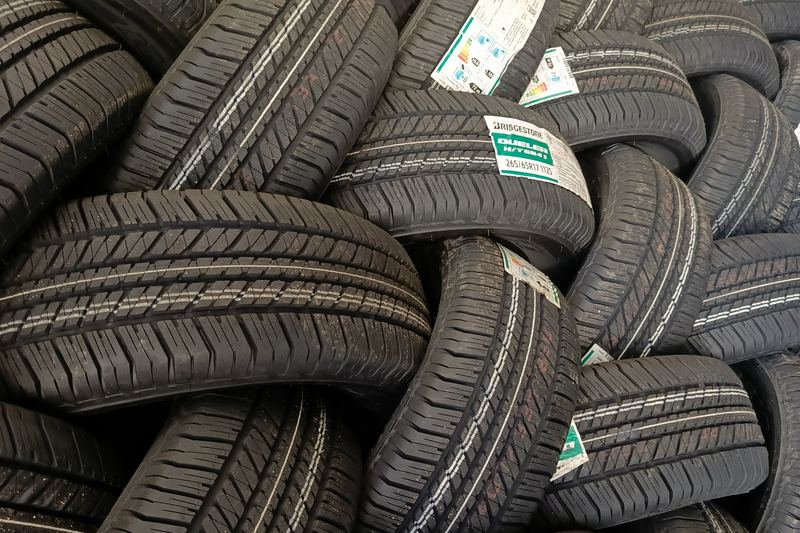
When one or two tyres wear out or get damaged, the question comes up: can you replace only those, or should you buy four? The answer depends on how worn the other tyres are, how old they are and what kind of vehicle you drive.
Short version: replacing two is fine if the other two are in good condition and have similar wear. Replace all four if the others are well worn or old, or if you drive a 4x4 or all-wheel-drive vehicle, unless your manual says otherwise.
When replacing two is fine
- The two remaining tyres still have plenty of tread, so they are not far from the new ones.
- All four tyres are the same size, load index and speed rating.
- The remaining tyres are not old or damaged.
- You are replacing both tyres on the same axle.
Where to put the new pair
Put the new tyres on the rear axle, even if the car is front-wheel drive. The rear tyres keep the car stable when you brake or turn on a wet road. If the rear tyres have less grip than the fronts, the rear can swing out, and that is harder to control. Ask the shop to fit them accordingly.
When to replace all four
- The other tyres are worn. A large difference between new and worn tyres changes how the car handles and brakes.
- They are old. Check the date code. Tyres more than about six years old may be hardening. See how to check how old a tyre is.
- The tyres are different brands or types on the same axle. Mixed tyres can behave unevenly.
- You drive a 4x4 or all-wheel-drive vehicle. See below.
Why 4x4 and AWD vehicles are different
In a four-wheel-drive vehicle, all wheels are linked through the drivetrain. A new tyre has a slightly larger diameter than a worn one. When the diameters differ, the wheels turn at different speeds, and this puts strain on the differentials and transfer case and can cause wear or damage over time. Many manufacturers specify a maximum difference in tread depth between tyres, often only a few millimetres. Check your manual. If your remaining tyres are more worn than the limit, replace all four, or ask a tyre shop whether the new tyre can be shaved down to match.
Check tread depth first
Measure the tread on every tyre before you decide. See how to measure tyre tread depth. A difference of 3 to 4 mm or more between tyres on the same axle is worth taking seriously.
A quick decision guide
| Situation | What to do |
|---|---|
| Two tyres damaged, other two nearly new | Replace two, fit on the rear |
| Other two half worn, 2WD car | Replace two, fit on the rear, and rotate carefully |
| Other two nearly worn out | Replace all four |
| Other two more than about six years old | Replace all four |
| 4x4 or AWD with a large tread difference | Replace all four, or follow your manual |
After fitting new tyres
- Have the wheels balanced and the alignment checked. See tyre rotation, balancing and wheel alignment.
- Set the pressures on all tyres, including the spare.
- Re-tighten the wheel nuts after the first 50 km or so.
To judge whether the tyres you keep are still good, read signs you need new tyres.