How to Measure Tyre Tread Depth (and What the Numbers Mean)
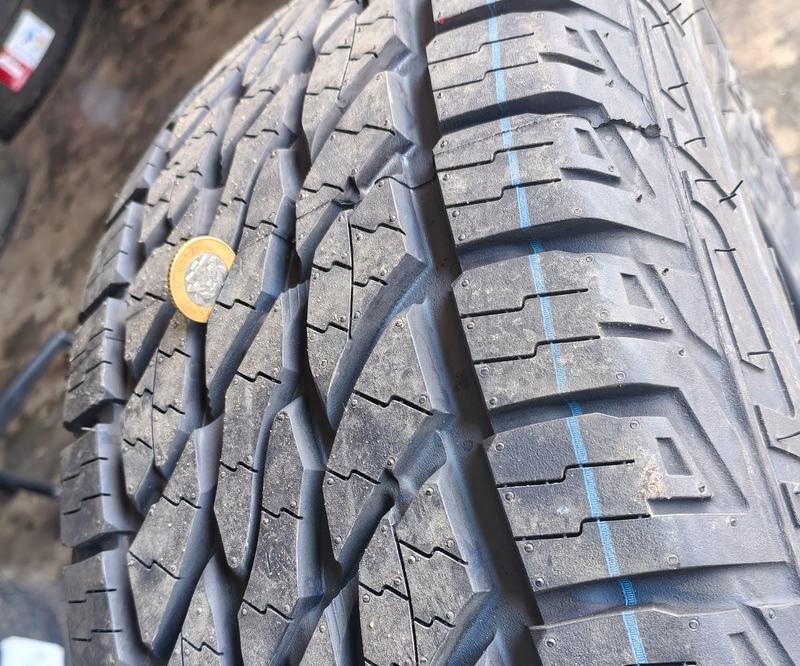
Tread depth is the most direct measure of how much life a tyre has left. It also affects safety: as the tread wears down, the tyre becomes less able to clear water from under it, and stopping distances on wet roads get longer. Checking it takes about five minutes, and you only need a cheap gauge.
Short version: measure in the main grooves at the inner, middle and outer parts of the tyre, at three places around it. Plan to replace at about 3 mm, and never go below the legal minimum, which is 1.6 mm in many countries.
What you need
- A tread depth gauge. Digital ones are easy to read, and simple pin-type gauges are cheaper and work well.
- A torch, since grooves are dark.
- A small brush or cloth to clear mud and stones from the grooves.
If you do not have a gauge, you can use a coin as a rough guide, but a gauge is more accurate and worth the small cost.
Step by step
- Park on level ground and switch off the engine. Turn the steering wheel so that the front tyre tread faces outwards.
- Clean out the grooves so that mud and stones do not give a false reading.
- Find a main groove, which is one of the wide grooves that run around the tyre. Avoid the small cross-grooves, the tread wear bars and any sipes (thin slits).
- Place the gauge with its base flat on the tread surface beside the groove and press the pin down until it touches the bottom of the groove. Keep the gauge straight.
- Read the number in millimetres.
- Repeat across the tyre at the inner edge, the middle and the outer edge.
- Repeat at two more places around the tyre, about a third of the way round each time, so you have three points in total.
- Check every tyre, including the spare.
Write down the lowest reading for each tyre. That lowest reading is the one that counts.
What the readings mean
| Tread depth | What to do |
|---|---|
| 7 to 8 mm | Typical of a new tyre |
| 5 to 6 mm | Good, keep checking every month |
| 4 mm | Fine for now, but wet grip is starting to drop |
| 3 mm | Plan to replace soon, especially if you drive in heavy rain |
| 1.6 mm or less | Replace now. This is the legal minimum in many countries, so check the rule where you live. |
The tread wear indicators
Most tyres have small raised bars in the bottom of the main grooves. When the tread wears down level with these bars, the tyre is at about 1.6 mm. You will often find small markings on the sidewall, such as TWI or a small triangle, that point to where the bars are.
Reading the pattern of wear
Look at how the readings differ across the tyre, not just the lowest one.
- Outer edges worn more than the middle: under-inflation. See correct tyre pressure in hot weather.
- Middle worn more than the edges: over-inflation.
- One edge worn much more than the other: the wheel alignment is probably out. See tyre rotation, balancing and alignment.
- Uneven wear from spot to spot around the tyre: unbalanced wheels or worn suspension parts.
A difference of more than about 2 mm between one side and the other is worth having checked.
The coin test
Slide a coin into the groove. If you can see most of the coin's face or the whole rim, the tread is already shallow. This gives only a rough idea, because different coins have different rim widths. For a real reading, use a gauge.
How often to check
- Once a month, when you check the pressures.
- Before a long trip or before the rainy season.
- After driving on rough roads.
Tread is only part of the picture
A tyre with plenty of tread can still be unsafe if it is old, cracked or damaged. Look at the sidewalls for cuts and bulges, and check the age. See signs you need new tyres and how to check how old a tyre is.